

Why Play Never Goes Out of Demand: The business value of movement, connection, and memory-making
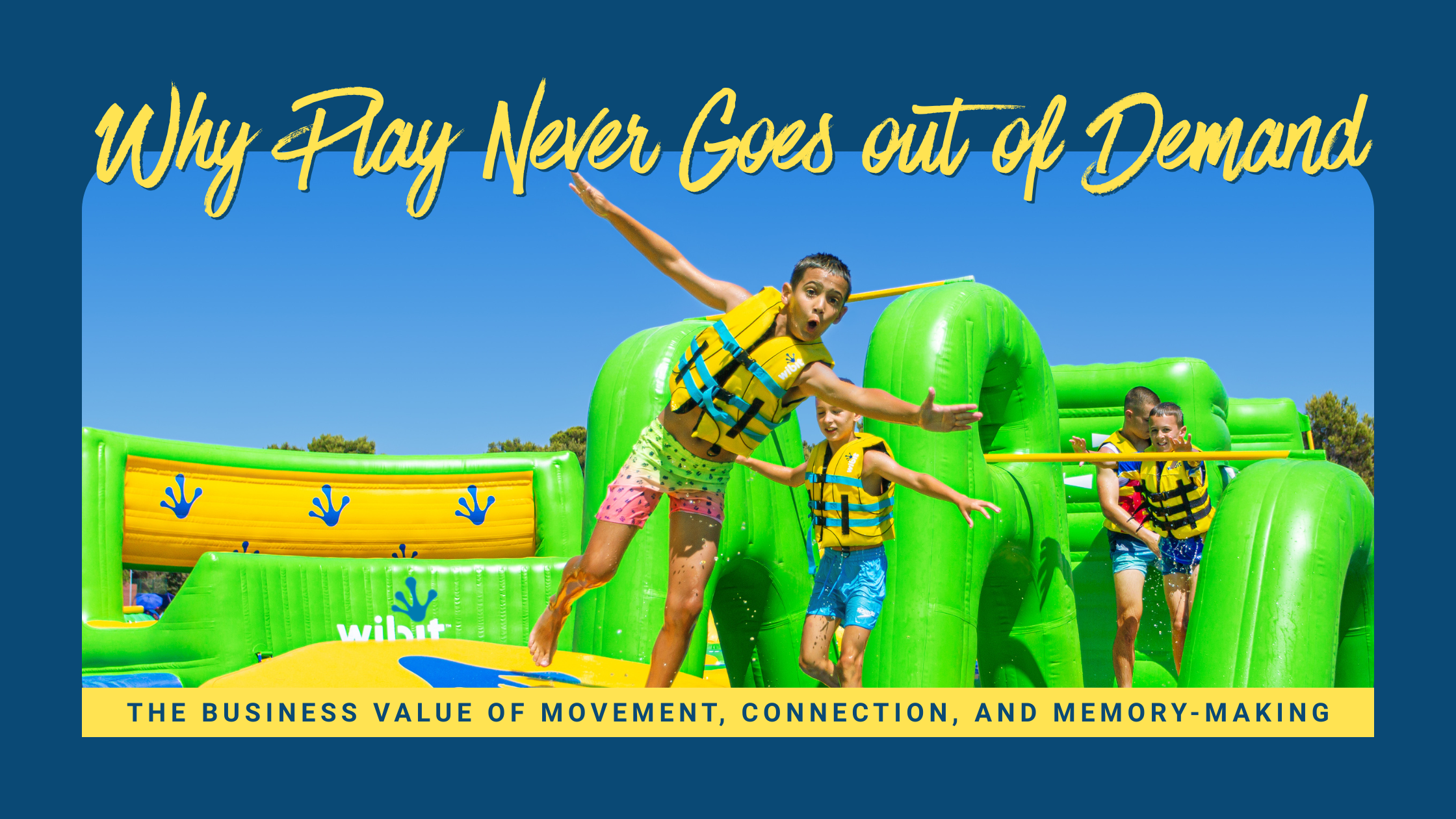
There’s a tendency in hospitality and leisure to treat play as something seasonal, age-specific, or trend-driven. Something that feels exciting for a moment — then fades. Something designed mainly for children. Something guests eventually stop prioritising.
But for resort owners, waterfront operators, and leisure businesses, play is far more than entertainment.
At its best, it becomes a driver of engagement, guest satisfaction, and memorable experiences — all of which influence how a property performs. Because while guest expectations continue to evolve, the desire for movement, connection, and shared experiences remains remarkably consistent.
Play isn’t a trend. It’s human behaviour. And businesses that understand this are often the ones creating experiences guests return for.
Movement Naturally Draws People In
People are instinctively drawn to movement. Not necessarily organised sports or structured activities, but spaces that invite participation. The reason some leisure experiences outperform others often comes down to one simple question: Does the space invite people to do something?
A beautiful waterfront may capture attention. But a waterfront that encourages guests to climb, jump, swim, balance, challenge one another, or simply engage with the environment naturally holds attention for longer. Participation creates energy. Energy creates engagement. And engagement turns passive space into memorable experience.
This is one reason inflatable waterparks continue to perform so well across resorts, lakes, lagoons, beaches, and waterfront destinations. They’re intuitive. Guests don’t need instruction manuals or lengthy explanations. They immediately understand the experience, and more importantly, want to join in. The easier something is to engage with, the more likely it is to be used. And in hospitality, usage matters. Amenities only add value when guests actively spend time in them.
Why Connection Matters More Than Ever
Play rarely happens in isolation. Families challenge each other across floating obstacles. Friends compete. Parents stop watching from the sidelines and become part of the experience. And this matters more than many businesses realise. Because while accommodation may influence a booking decision, shared experiences often shape how guests remember a stay. The spaces people talk about later are rarely the passive ones. They’re the spaces where something happened. The unexpected laugh after someone falls into the water.The challenge of reaching the other side.
The spontaneous competition that becomes the highlight of the afternoon.
These moments create emotional connection not just between people, but between guests and place. For leisure operators and resorts, this has tangible value.
Experiences that encourage interaction often lead to:
- Longer time spent on-site
- Stronger emotional connection to the destination
- Greater guest satisfaction
- More organic social sharing
- Increased likelihood of return visits
The most memorable properties don’t simply offer amenities. They create moments people want to relive.
The Role of Play in Family Decision-Making
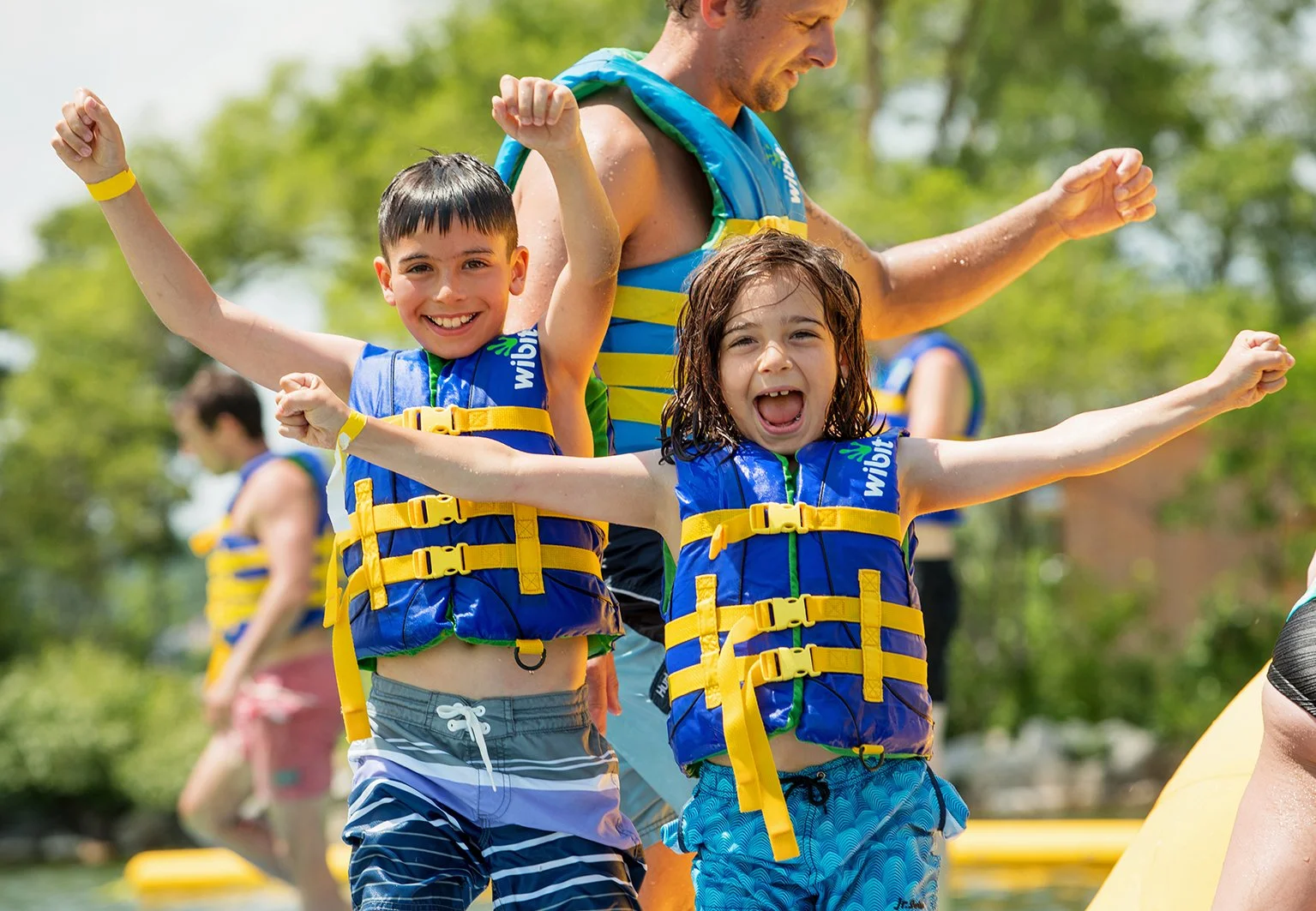
Family travel continues to shape hospitality. And when families choose destinations, one question tends to guide the decision: Will everyone enjoy this?
The strongest leisure offerings appeal across generations. They create experiences that feel accessible enough for children, engaging enough for teenagers, and enjoyable enough for adults to join in. Inflatable waterparks are particularly effective because they naturally encourage participation. Instead of creating separate experiences for different age groups, they bring people together. Children play. Teenagers challenge themselves. Adults become participants instead of observers. The result isn’t just activity — it’s shared experience. And shared experience drives memory. Guests rarely remember every detail of a room or check-in process, but they remember:
“That floating obstacle course we kept going back to.”
“The afternoon everyone ended up in the water.”
“The place that somehow brought the whole family together.”
For businesses, these memories matter because memorable experiences become emotional anchors, and emotional anchors often influence repeat bookings.
Guests Change — But Play Doesn’t
Travel preferences evolve. Wellness grows in popularity. Technology changes expectations. Guest behaviour shifts with each generation. But one thing remains remarkably consistent:
People still seek movement. They still enjoy challenge. They still value connection.
And they still remember experiences that made them feel something.
This is why inflatable waterparks continue to perform — they tap into something fundamentally human.
What This Means for Waterfront Businesses
For resort owners, leisure operators, and developers with underutilised lakes, lagoons, beaches, or waterfront areas, the opportunity is significant.
The question may not be: “Are inflatable waterparks here to stay?” but rather, “Are we making the most of how people naturally want to spend time?” Because waterfronts should do more than simply look appealing. They should create experience.
The most successful leisure spaces aren’t necessarily the biggest or most complex. They’re the ones people return to.
At MIZU Leisure & Sports, we help resorts, developers, and waterfront businesses transform underused spaces into experiences designed to be used and remembered.